Category: News

General News items

  • Economic growth measure fails on green front

    Economic growth measure fails on green front

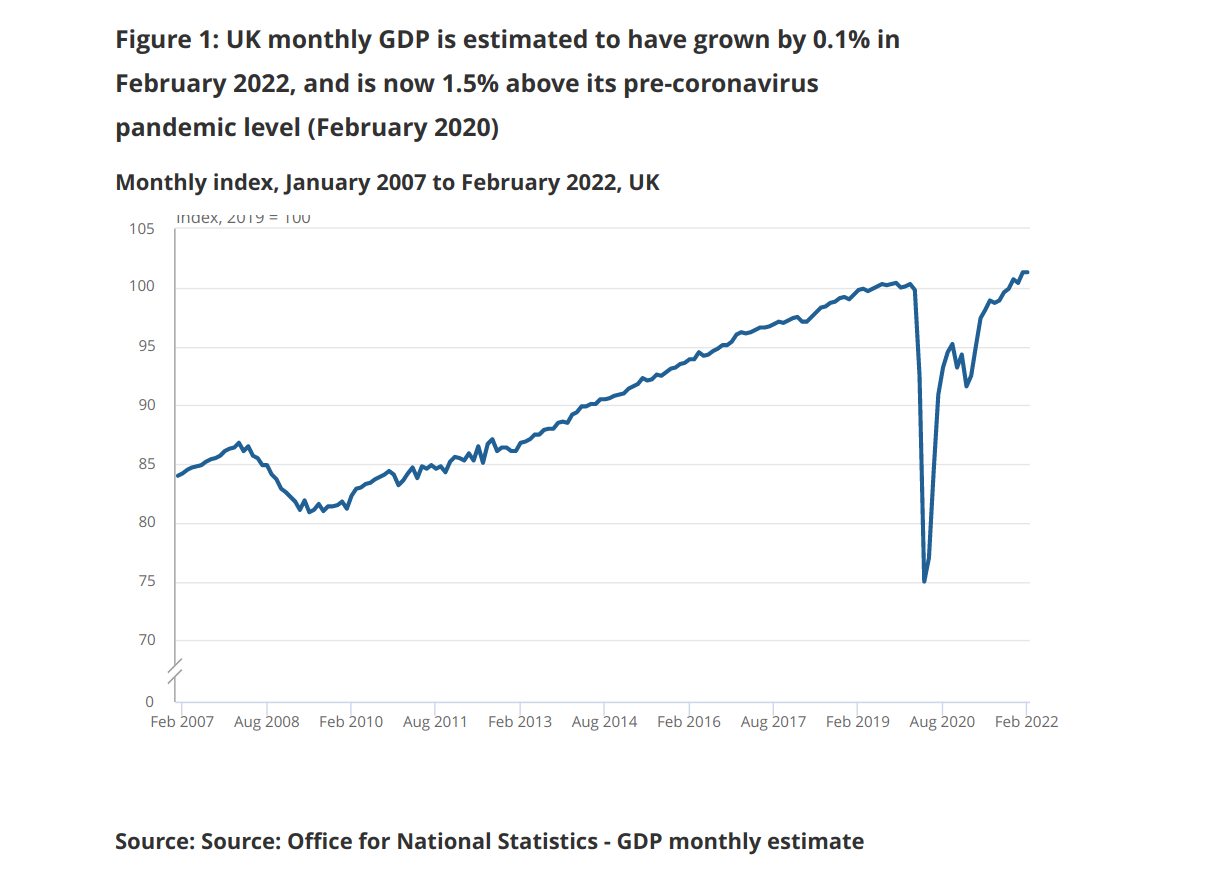
    The UK economy shrank by 9% in 2020 but bounced back in 2021, growing by 7.5%. This year, it is expected to grow by 3.6%. These numbers matter a lot to the government, but there is increasing debate about how relevant they are to setting economic policies to tackle the climate and ecological emergencies.

    That’s because our national prosperity is measured purely by the rise or fall in the market value of all the goods and services we produce (known as gross domestic product, or GDP). There is no consideration of anything that can’t be measured in price terms, including environmental and social matters. And that is a problem, according to climate focused economists called on to give evidence to the government’s Environmental Audit Committee earlier this year.

    For example, the value of planting trees will only be measured if and when those trees are cut down and sold as timber. They are not valued for the shade they provide, the carbon they sequester, or the habitats they offer to wildlife. Even more perversely, the likelihood of more severe storms, floods, heatwaves and wildfires due to climate change will be good for economic growth because cleaning up after such events will add to GDP. There is no accounting for the loss of life, livelihoods, housing or infrastructure.  

    Similarly, GDP, which was developed as a measuring tool in the 1930s, ignores both the environmental damage caused by extracting fossil fuels and the pollution and greenhouse gas emissions caused by burning them. And what doesn’t get measured doesn’t get managed, as the well-known saying goes.

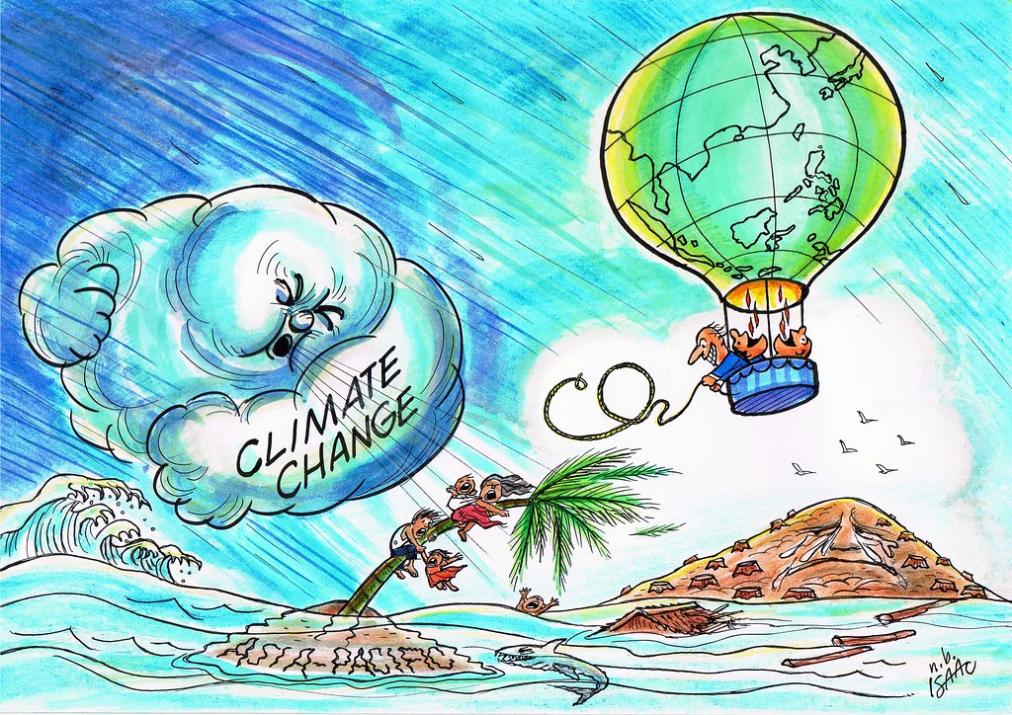
    Another critical aspect in tackling climate change is that of equity. Richer nations have caused the problem while poorer nations not only suffer most from the effects but are also less able to adapt. This is recognised in environmental treaties, with richer nations committing to help poorer ones develop and cope with adaptation. 

    GDP also ignores distributional issues. This is most obvious when the government celebrates a rise in GDP whilst a majority of the population see a stagnation in their income and a drop in living standards. But it is also present when importing natural resources and value from poorer nations without properly compensating them.

    Given these defects, the Environmental Audit Committee asked its five witnesses whether GDP is still up to the job of guiding economic targets. Only one declared support for GDP remaining a key metric, with perhaps some enhancement for environmental effects. The other four said it was no longer fit for purpose and we need to employ a range of measures, perhaps in the form of a dashboard, to record financial, social and environmental elements of prosperity or damage. 

    Many such measures are readily available, including sustainable development goals, environmental and planetary boundaries and measures of social wellbeing, but few countries build them into their economic plans or give them any prominence.

    Some witnesses also threw doubt on the goal of ever increasing economic growth in rich countries like the UK, with research quoted showing that the richer a nation becomes, the less beneficial is additional wealth. 

    The ability to grow our economy whilst reducing carbon emissions, a process known as “decoupling”, was another topic of discussion. Witnesses criticised the government’s claim to have achieved significant decoupling, pointing out that the emissions embedded in our imports are not counted. We should also take account of our historic emissions and our material (non-carbon) footprint on the environment and planet, they said.

    It will be hard to move away from the metric of economic growth as it is built into many of our social structures, and much work is needed to imagine how a post-growth society and economy would operate. But the consensus among the witnesses to the committee was that it needs to be done.

  • Cutting carbon emissions: a new district-wide climate project

    Cutting carbon emissions: a new district-wide climate project

    Teignbridge is a beautiful district to live in – but, like the rest of the world, it is part of the climate problem, but also, part of the solution! There are so many people worrying about the crisis – so many communities that would like to help reduce climate change – what if we could work on it together?

    Action on Climate in Teignbridge is planning to launch a project that will support community-based volunteers or existing groups who are looking for ways to enthuse and inspire their community to reduce their carbon footprint. 

    Can you spare a few hours to help us do this? You don’t need special qualifications, just enthusiasm for spreading the message that everyone can do something to reduce carbon emissions. We’re looking for people who love communicating (maybe even public speaking), organising fun events, creating colourful posters and graphics, and achieving miracles on a tight budget! If you can do any of these things (we don’t expect you to do all of them!), please get in touch with Kate about joining our team    

    We are looking for an overall project coordinator.  If we can’t find a volunteer, we are confident that we can get funding to pay someone to be a self-employed, part-time coordinator. You wouldn’t need specific academic qualifications, but you would need to have a friendly and optimistic outlook, and be able to talk, write, listen and express ideas clearly.  

    The first task for the coordinator would be to find and support community-based climate volunteers, who would usually be town/parish-based. We would be particularly interested in working with anyone who is a member of a Teignbridge climate group. 

    The coordinator and volunteers would be given introductory training and ongoing coaching to help them deliver small-scale projects – but it would be up to them to find projects and challenges that will enthuse people in their communities. Here are possible carbon cutting projects that your community might like:

    • Energy – cutting home energy use and costs
    • Reducing the impact of our clothes/fashion industry 
    • Listening to teenagers – and helping them to take action
    • Running a repair café
    • Running a community larder

    If you are interested in any aspect of this idea and want to find out more, please contact Kate 

  • Beach labyrinth reflections

    Beach labyrinth reflections

    Around 100 people walked the labyrinth created on Teignmouth Beach last weekend for the Global Day of Action for Climate Justice. Plenty more watched the walkers from the promenade. 

    The construction effort, directed by labyrinth artist Andrew Nicholson, was tough work as the chosen location, below the lighthouse, was particularly stony. Still, the stones added to the attraction of the finished artwork as they were used to mark the labyrinth pathways.

    Passing families with children joined in enthusiastically to place the stones. “That building effort with the parents and children was my favourite part of the experience,” said John Watson of Action on Climate in Teignbridge, which organised the event. “All in all, it was quite a spiritual event which I think connected with people in a most original way.”

    Labyrinths have a long history. People have been creating and walking them since the times of the ancient Greeks. In medieval times, Christian monks would walk them to reflect on the journey of their lives.

    The idea of the Teignmouth Beach labyrinth was “to reflect on our concerns for the environment and be thankful for the special places in our lives”, said Andrew Nicholson (pictured above). 

    Those walking the labyrinth were invited to pick up a piece of rubbish found on the beach at the entrance, reflect on their concerns as they trod the meandering path to the centre, then leave the rubbish and their concerns there. They could then take a stone from the centre and walk back thinking of places precious to them.

    Scott Williams, an ACT member, said: “It was amazing and moving to see the flow of people travelling through such an ancient symbol. The solemnity and peace it created within those that walked it will stay with me.”

    Of course, the sea claimed the labyrinth as the tide came in later in the day. Watching the water engulf the construction, a vicar from Dawlish remarked how appropriate the image was; a symbol of the threat of climate change to many people around the world.

    “There were lots of people watching as the tide came in,” said Audrey Compton of ACT. “People of all ages. People who wanted to talk. It was obvious to me that we have suddenly reached a tipping point of understanding about the environment and desire for change. COP26 may not achieve nearly enough politically, but it has galvanised ‘people power’!”

    For more on beach labyrinths visit the facebook page.

  • Wildlife Warden Podcast Episode 7

    Wildlife Warden Podcast Episode 7

    In this podcast Emily Marbaix updates us on what wildlife wardens have been up to, reminds us of autumn jobs to do in the garden, especially those that help wildlife, and takes a look at the eco-friendliness (or not) of our pets, including what we feed them and the flea and worm treatments we give them.