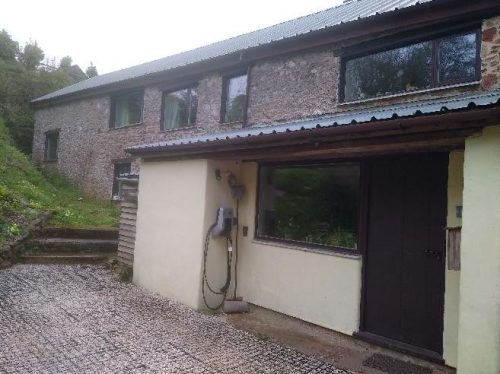
Having to replace all 21 windows with plastic framed double glazing was beyond our budget and the existing wooden frames seemed in pretty good condition. We decided to do the work ourselves replacing the glass and Georgian bars with double glazed units, it cost us £1,500.
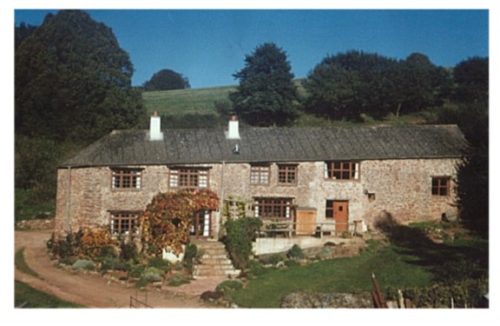
We were very happy with the improved windows, until we started looking at our Carbon Footprint in a more serious way. This started in around 2010 when we replaced our oil boiler. The ‘fabric first’ penny only dropped fully in 2016, this coincided with us being involved in a local Community Energy initiative which eventually developed a self-assessment programme to help homeowners reduce their greenhouse gas emissions. We did the programme and discovered that our double-glazing windows were responsible for nearly 40% of our heat loss, the next largest was the roof which we significantly improved. Despite our split-log boiler heating system which is close to zero emissions as we self-supply the wood, we decided to ‘splash out’ on improving our home in terms of comfort and look. By then the windows were showing their 25 years of service, so they were next in line.
Given that I’m a hobby furniture maker and have my own sawmill and access to wood, it seemed obvious to make my own window replacements, which I did. We wanted the best quality solution that our limited budget allowed, but I was surprised at the price of the ‘best’ double glazing units I could buy in the UK. The labour involved in making the frames and the unpredictable nature of some of the timber I had access to were pretty significant. I was encouraged by my partner to seek help, so I started asking friends and looking at what was on the market as affordable products with good value for money. There were many choices, mostly 2 or even 3 times the cost of me making my own windows. Given that we had access to not only seeing examples of quality windows, but also the ability to measure their performance using the tools and methods provided by the self-assessment pack, we were able to refine our criteria to help us make a more informed choice for our circumstances.
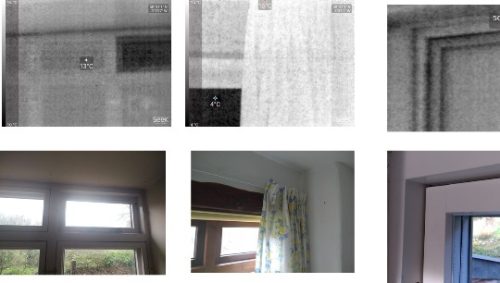
Having decided to get triple glazing in wooden frames, I started contacting various supplies/distributors of the short list of window manufacturers we’d made. Normally all windows for a project would be ordered in one go, unfortunately our budget would not allow this. Worse still, I’d discovered that not all windows did what they claimed, even some well-known manufacturers fell short. This meant that I wanted to try one window before buying 21 to make sure the product was of the quality we wanted, and I could get it supplied and installed in stages. We have access restrictions to the property, and I was doing my own installation of some pretty heavy windows.
Our chosen supplier was happy with me ordering just one ‘trial’ window, they listened and responded promptly to all my numerous questions and were very friendly. Everything went to plan with a slight hiccup on the size of the delivery vehicle, but the driver was patient enough to wait and help with the final leg of the trip. Installation was straight forward once I recruited enough helpers to lift the unit into place.
The first window was duly measured and tested over a winter season, remarkably it conformed to the U-Value for the glazing and was a revelation in what an affordable high-quality window should be. I could now look out onto the garden while washing up without window frames obscuring my view and no condensation problems. We’ve since ordered and installed another 20 windows. The finish, internal and external, is unscathed after 4 years of quite harsh conditions.
Using the self-assessment pack, I’d also measured the cold bridging at the frame to wall junction. This was addressed by wrapping an insulation layer in the inner/outer window reveal as these are set in a 700 mm solid stone wall.